
Phoenix landscaping looks great when it is built for desert heat, water savings, and easy care. But many East Valley homeowners make simple mistakes that lead to dead plants, cracked pavers, high water bills, and wasted money. In a dry climate like Arizona, the wrong choices can cost more than the original project. The good news is that most of these problems can be avoided with smart planning. Here are the top 10 landscaping mistakes Phoenix homeowners make, what they can cost, and how to do it right for your home in Mesa, Gilbert, Chandler, Tempe, Scottsdale, or Queen Creek.
1. Choosing Plants That Cannot Handle Arizona Heat
Many homeowners buy plants because they look good at the store, not because they can live in full sun and dry air. That is a fast way to lose money. Some plants burn, dry out, or need far more water than they should in the Valley.
What it can cost
Replacing dead shrubs and trees can cost $50 to $500 or more per plant, plus labor. If several plants fail, the total can climb fast. You may also pay more on water bills while trying to save them.
How to avoid it
Pick desert-friendly plants that fit your yard’s sun pattern. Use native and low-water plants when possible. Group plants with similar water needs together so your irrigation works better.
2. Installing a Lawn That Uses Too Much Water
Big grass lawns are tough in Phoenix. They need a lot of water, regular mowing, and extra care to stay green in extreme heat. Many homeowners keep struggling with grass because they want a softer look, but the costs add up quickly.
What it can cost
A thirsty lawn can raise water bills by hundreds of dollars each summer. Over a year, the cost can be much higher than a low-maintenance yard. Add fertilizer, mowing, and repairs, and the yard gets expensive.
How to avoid it
Consider artificial turf, desert landscaping, or a smaller turf area paired with pavers and planted beds. These options can deliver curb appeal without the constant watering.
3. Poor Irrigation Design or Broken Drip Lines
In the desert, irrigation mistakes are costly. Some systems water the wrong areas. Others leak, clog, or spray too much. Many homeowners do not notice until plants die or water runs into the street.
- Leaking valves can waste hundreds of gallons each month
- Clogged drip lines can kill plants before you see the problem
- Overspray can stain walls and create runoff
- Bad timer settings can waste water day after day
What it can cost
Small irrigation repairs may start around $100 to $300. Larger issues, like a full redesign or major leak, can cost much more. The bigger loss is often the water waste before the problem is found.
How to avoid it
Use a proper drip system for plants and smart scheduling for Phoenix weather. Check your system often, especially during summer. A good design saves water and keeps plants healthy.
4. Using the Wrong Materials for the Desert Climate
Not all landscaping materials perform well in Arizona. Some cheap products fade, crack, or shift in the heat. Others hold too much heat and make outdoor areas uncomfortable for family time.
- Low-grade pavers may crack or sink
- Thin turf can wear out fast in direct sun
- Poor gravel choices can blow around or get too hot
- Cheap edging can warp over time
Material failures can lead to repairs that cost hundreds or thousands of dollars. It is often cheaper to do the job right once than to replace poor products later.
5. Skipping Drainage Planning
Even in the desert, rain can cause big problems. Monsoon storms can flood low spots, wash out gravel, and damage patios or walkways. Many homeowners only think about water use, not water flow.
What it can cost
Drainage fixes can range from a few hundred dollars to several thousand, depending on the problem. Water damage to foundations, pavers, or walls can cost even more. A bad drainage plan can affect the whole yard.
How to avoid it
Plan where stormwater will go before any installation begins. Use proper grading, drains, and channel breaks when needed. This protects your home and your outdoor space.
6. Building Patios and Pavers Without a Strong Base
Patios and walkways look simple, but the base underneath does most of the work. If the base is not compacted well, pavers can move, sink, or become uneven. In Arizona heat, poor prep shows up fast.
A weak base can turn a nice outdoor area into a repair project. Homeowners may need to lift, reset, or replace sections sooner than expected.
What it can cost
Minor repairs may be manageable, but full rework can cost thousands. In some cases, the entire hardscape needs to be rebuilt. That is why quality installation matters so much.
How to avoid it
Use a proven base, proper compaction, and correct edge restraint. Good patio and paver work should be built for long-term use in the Phoenix climate.
7. Forgetting About Shade and Outdoor Comfort
Arizona outdoor living is best when spaces stay usable in the heat. Some homeowners create beautiful yards that still feel too hot to enjoy. Without shade, people avoid the space, and the money spent on landscaping does not pay off the way it should.
What it can cost
This mistake is more about lost value than direct repair costs. A backyard with no shade may get much less use, which lowers the return on your outdoor project.
How to avoid it
Add trees, pergolas, covered areas, or layout features that help block sun. Pair shade with pavers, lighting, and seating to make the space more usable all year.
8. Ignoring HOA Rules and Neighborhood Style
Many Phoenix and East Valley neighborhoods have HOA guidelines. If a yard does not match the rules, homeowners may need to make changes or pay fines. That can be frustrating and expensive.
- Fines can add up if work is not approved
- Redoing a project costs more than planning it right
- Some HOAs limit plant choices, turf, or rock colors
- Approval delays can slow the entire project
Check with your HOA before starting a project. A design that fits the rules can save time and money.
9. Not Planning for Low-Maintenance Living
Some yards look nice at first but need too much trimming, watering, and cleanup. Busy homeowners often want a yard that looks great without constant work. In the Phoenix heat, a high-maintenance design can quickly become a burden.
Low-maintenance landscaping is often the better long-term choice. Artificial turf, desert plants, pavers, and well-placed lighting can reduce work and improve curb appeal at the same time.
10. Doing the Project in the Wrong Order
Many homeowners start with plants, then add hardscape later, then change irrigation again. This can lead to wasted labor and damage to finished areas. Good landscaping should be planned as one system, not a series of random fixes.
What it can cost
Redoing work is one of the biggest hidden costs in landscaping. Moving plants, changing lines, or rebuilding features can double the price of parts of the project.
How to avoid it
Start with a full plan. Decide where the patio, turf, plants, lighting, and irrigation will go before installation begins. That creates a cleaner result and better value.
How to Spend Smarter on Your Yard
The cheapest option is not always the best option in Phoenix. A smart yard uses less water, handles heat better, and stays beautiful with less work. That usually means choosing the right materials, the right plants, and the right layout from the start.
Here are a few smart upgrades many East Valley homeowners choose:
- Artificial turf for a clean, green look without heavy watering
- Pavers and walkways that create structure and curb appeal
- Desert landscaping with plants that thrive in heat
- Irrigation that supports healthy growth without waste
- Outdoor lighting for safety, style, and nighttime use
- Firepits and BBQ areas for better backyard living
Final Thoughts for Phoenix Homeowners
A beautiful yard in Arizona should not create constant stress. The biggest landscaping mistakes are usually caused by poor planning, bad plant choices, weak irrigation, and ignoring the desert climate. If you want a low-maintenance, water-smart yard that fits your home and your HOA, working with a local expert can save you time, water, and repair costs. Storm Landscaping helps Phoenix and East Valley homeowners build outdoor spaces that look great and work in the heat. If you are ready to improve your yard, request a free quote from Storm Landscaping today.
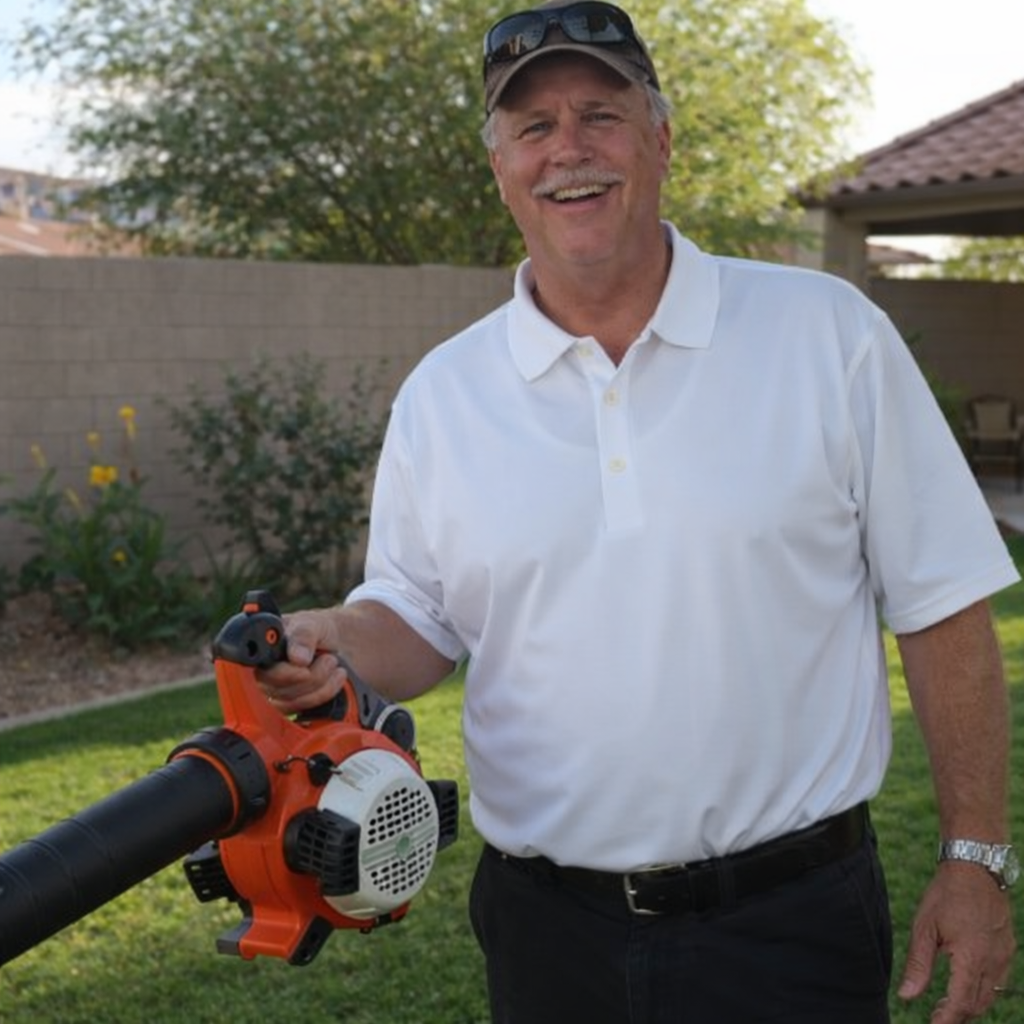
Storm Gleim is a Phoenix-based landscaping expert and founder of Storm Landscaping. Since 1998, he has helped East Valley homeowners design and build durable, water-efficient outdoor spaces tailored to Arizona’s desert conditions.